Microplastics in the human brain: A growing concern that we can no longer avoid.
Microplastics and nanoplastics are fragmented pieces of plastic that derive from larger items such as packaging and tires that break down over time. These particles are so microscopic that they have the ability to travel through air, water, and now, our bodies when we consume food and breathe, according to recent studies.
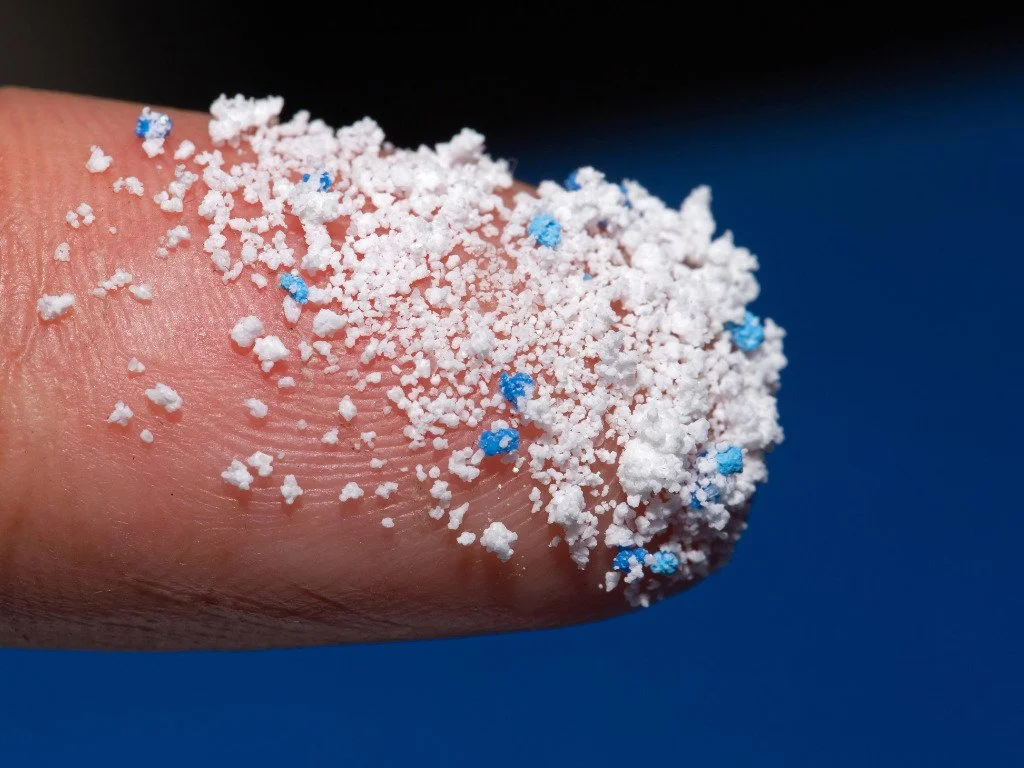
Microplastics, tiny fragments from degraded plastics, are now widespread in the body and can be found in major organs, like the brain, liver, and kidneys. According to a study conducted by Nature Medicine, microplastics are present in human brains at significantly higher levels than in other organs, and these levels have increased by about 50% over the past eight years. Scientists were able to identify multiple types of plastics in the human body using advanced chemical analysis and imaging techniques, including polyethylene, which is commonly found in packaging. Further conclusions from this study found that people with dementia had up to 10 times more plastic in their brains, though researchers stress that this could just be a correlation, and not a causation. This 2025 study, led by Matthew J. Campen and Andrew B. West, examined brain tissue from human autopsies, and the findings were absolutely striking. Microplastics were found in every single brain sample that was analyzed, with brain tissues containing between 7 and 30 times more plastic than any other liver or kidney tissue. Researchers estimated that the human brain could have enough microplastics to make up the weight of the spoon, which is around seven grams.
While the health effects of microplastics remain unclear, researchers are concerned these particles could interfere with brain cell connections, block tiny blood vessels, and contribute to processes linked to dementia. Ultimately, these findings highlight a growing and largely invisible health threat that stems from our own environmental surroundings. As plastic pollution continues to rise, its presence in our bodies may continue, making it increasingly urgent to better understand its effects and reduce our exposure when possible.
