Light Pollution: A Serious Yet Reversible Issue
While more common forms of pollution include water pollution, air pollution, and greenhouse gas emissions, light itself can also be a pollutant. Light pollution impacts the natural visibility of the night sky, caused primarily by excess or improper use of artificial light. Due to outside light sources such as street lamps, billboards, advertisements, and vehicle headlights, an overabundance of light particles is scattered throughout the atmosphere and reflects the light into our eyes. Consequently, this disrupts humans’ biological clock, or circadian rhythm, since artificial light suppresses the body’s production of melatonin. This can lead to various sleep disorders, such as insomnia and fragmented sleep/wake cycles.
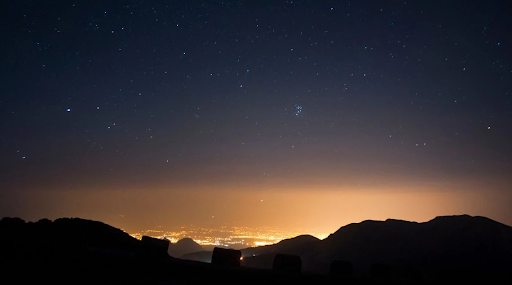
There are different types of light pollution, including skyglow, over-illumination, light clutter, glare, and light trespass. Skyglow, the most prominent and widespread type of light pollution, is the unnatural brightening of the night sky over inhabited/industrial areas, creating a visible “dome” of light over the areas.
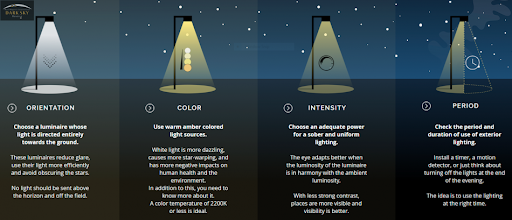
Despite the pressing matter at hand, there are methods to reduce the harmful effects of light pollution and reverse the problem as a whole. Light pollution is a widespread issue that is found to be dominant in populated cities such as Tokyo, New York City, Los Angeles, and many more. This is due to their extensive street lighting, billboard lighting, illuminated buildings, and many similar features. Although many countries show no noticeable signs of pollution, the excess use of artificial light in neighboring countries can pollute skies far beyond their borders.
Though it may seem intimidating, there are many ways that you can help solve this.