Emulate eutrophication as a result of runoff
An aquatic ecosystem makes use of a balance between its organisms, environment, and nutrient factors. An eutrophic body of water can be defined as an aquatic environment with high levels of nutrient concentrations, particularly Phosphorus and Nitrogen (Bali & Gueddari, 2019). Additive levels of nutrients may arrive from a multitude of manmade sources—primarily, wastewater.
Urban environments have led to an increase in aquatic nutrient levels. The source of these excess nutrients comes from a variety of sources, such as stormwater and agricultural runoff; this excess of nutrients may cause changes in aquatic environments (Carey et al., 2013). A main effect of water eutrophication is the encouragement of cyanobacterial growth. Cyanobacteria, or blue-green algae, are common bacteria that can be found in freshwater. Eutrophication of such waters may lead to cyanobacterial growth that can harm the environment. The main effects of cyanobacterial blooms are the introduction of toxins into the environment and the depletion of oxygen during decomposition (Carey et al., 2013; Christensen et al., 2021). So, to maintain the Phosphorus and other nutrient levels, toxins should be mitigated during or after the outtake of wastewater to prevent the development of algal blooms.
One such treatment that is being attempted is chemical treatment. A water sample from the Hudson Lake was collected before being stored in a pumped tank; nutrient supplements for plant growth will be used every other day until the water becomes eutrophic, based on acidity. Once eutrophic, microscopy to analyze the type of cyanobacteria using a list of species will be done to adapt treatment accordingly. A treatment of Polyaluminium Chloride and Lanthanum Modified Bentonite Clay will be used in order to flocculate and coagulate excess nutrients; by encasing particles and becoming denser, excess nutrients will sink to the bottom of the tank and leave the rest at normal levels. Through this, any cyanobacterial growth that could grow will be treated.
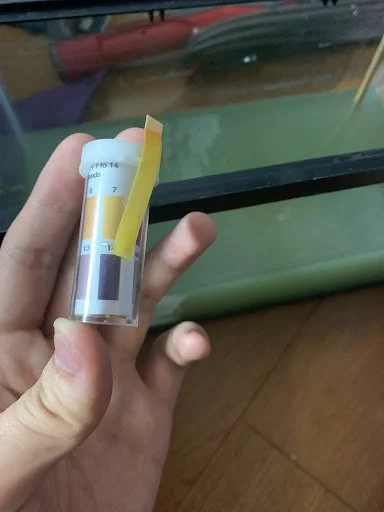
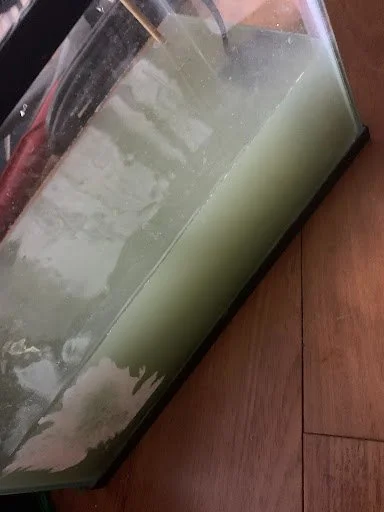
4/15/26: Start of procedure w/ neutral pH
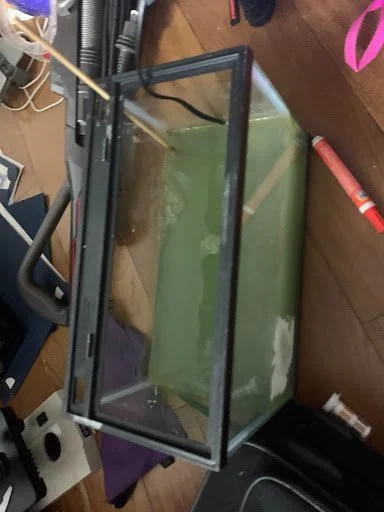
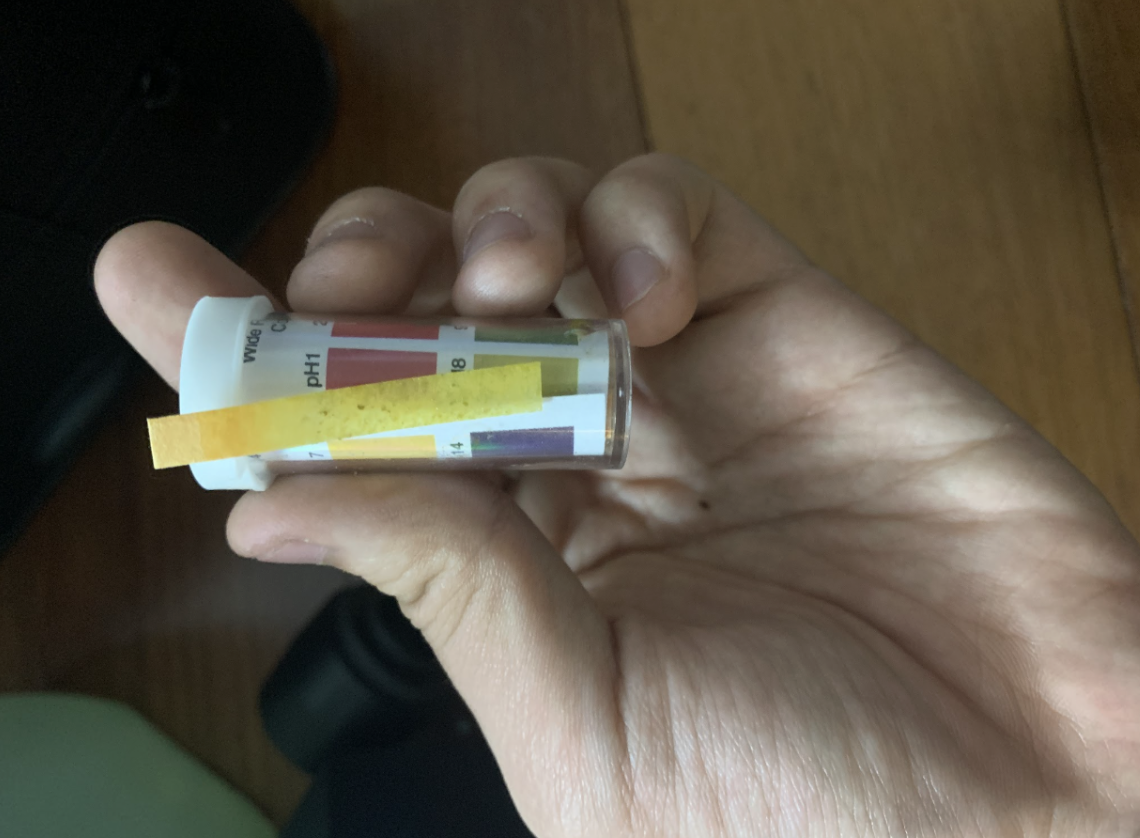
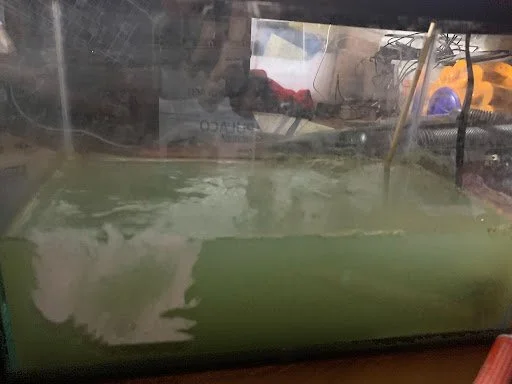
4/17/26: Slight increase in turbidity and no change in pH
Works Cited:
Bali, Mahmoud, and Moncef Gueddari. “Removal of Phosphorus from Secondary Effluents Using Infiltration–Percolation Process.” Applied Water Science, vol. 9, no. 3, 27 Mar. 2019, https://doi.org/10.1007/s13201-019-0945-5.
Carey, Richard O., et al. “Evaluating Nutrient Impacts in Urban Watersheds: Challenges and Research Opportunities.” Environmental Pollution, vol. 173, Feb. 2013, pp. 138–149, https://doi.org/10.1016/j.envpol.2012.10.004.
Christensen, Victoria G., et al. “Cyanotoxin Mixture Models: Relating Environmental Variables and Toxin Co-Occurrence to Human Exposure Risk.” Journal of Hazardous Materials, vol. 415, Aug. 2021, p. 125560, https://doi.org/10.1016/j.jhazmat.2021.125560. Accessed 3 Mar. 2023.
